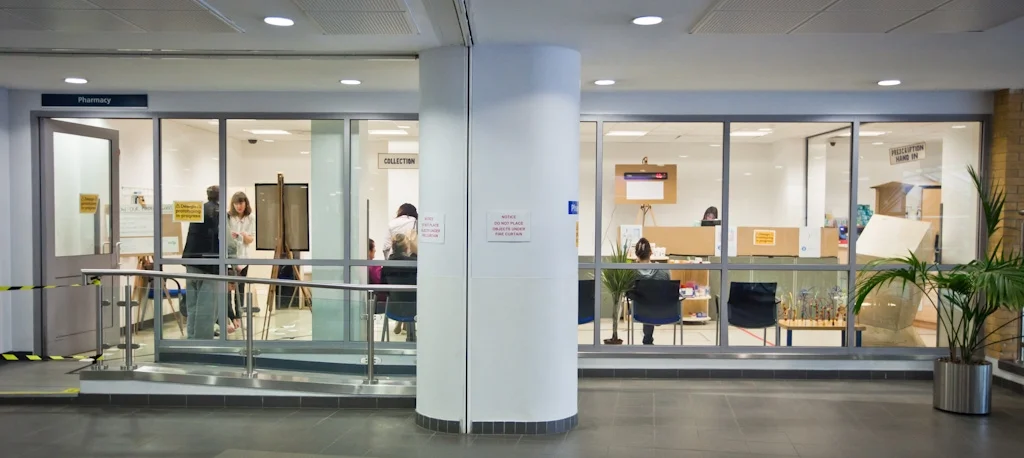
Through commonground, I was invited by the Design Council to respond to a brief to redesign the Outpatient Pharmacy experience at the Whittington Hospital in London, one of the UK’s busiest hospitals providing care for more than 500,000 people. The project involved both service and spatial design so I partnered with architecture practice Studio TILT as a joint response.
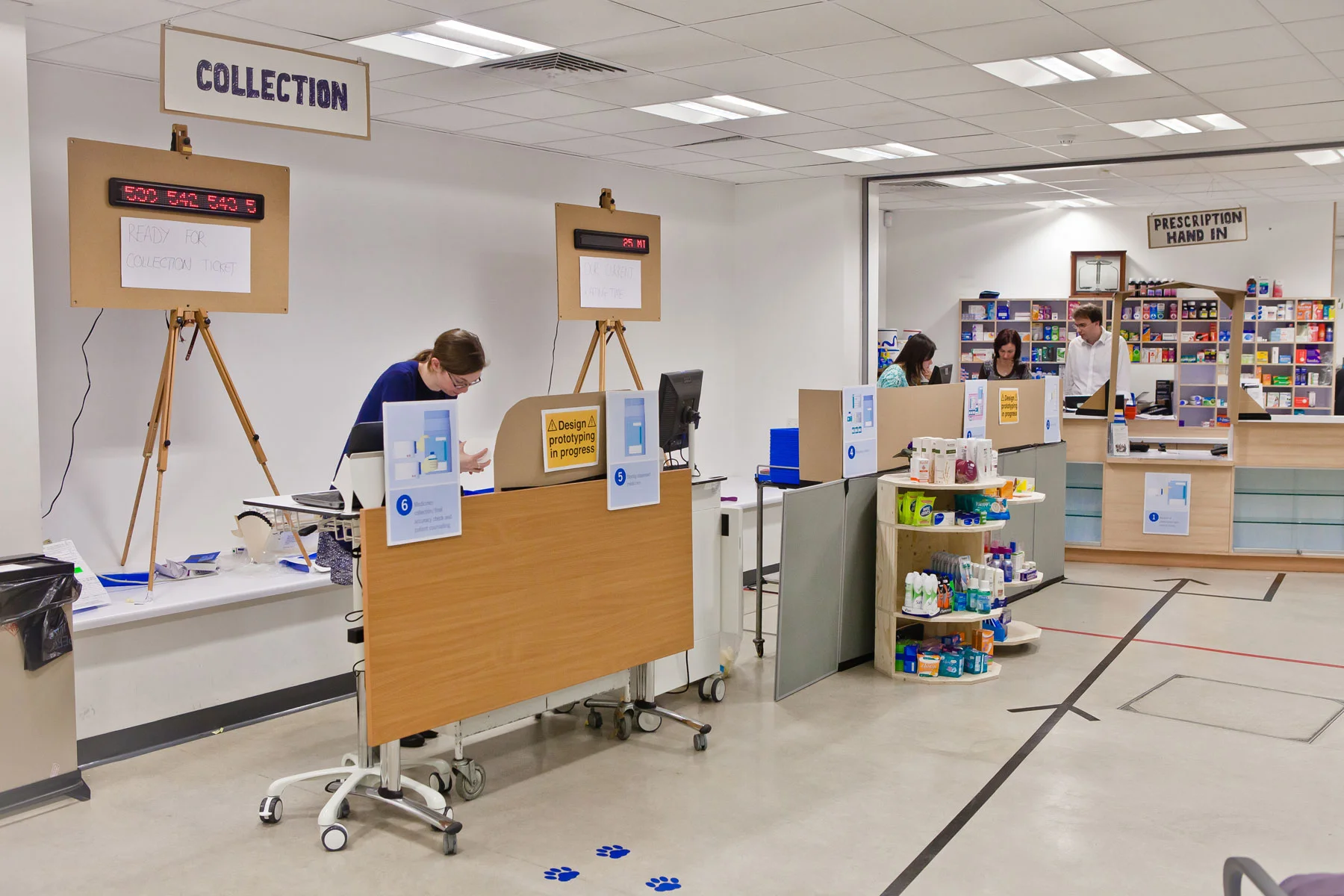
The brief was to help the pharmacy team prototype and refine ideas for service improvements, which they had developed with help from the Design Council. Our approach was to define and test a new patient experience within a redesigned pharmacy layout. This included testing solutions for layout, signage, prescription tracking systems, a ‘front of house’ dispensing process and an improved waiting experience.
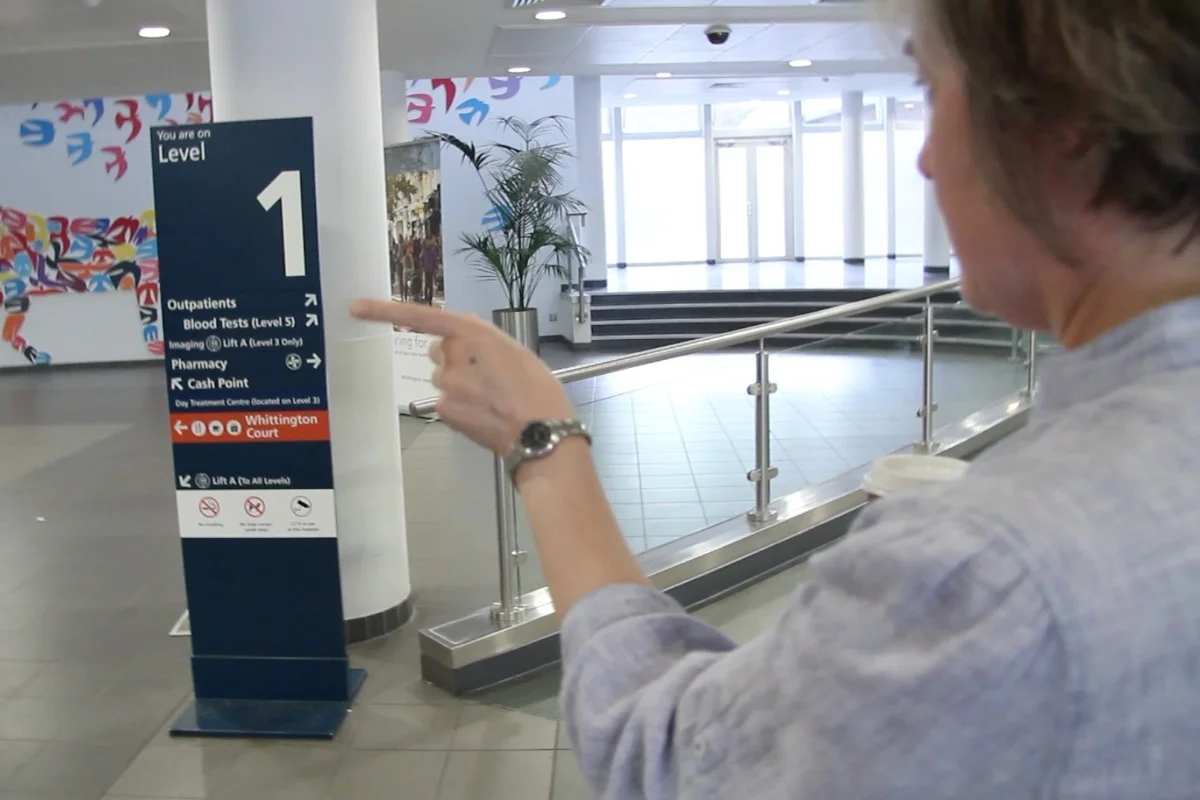
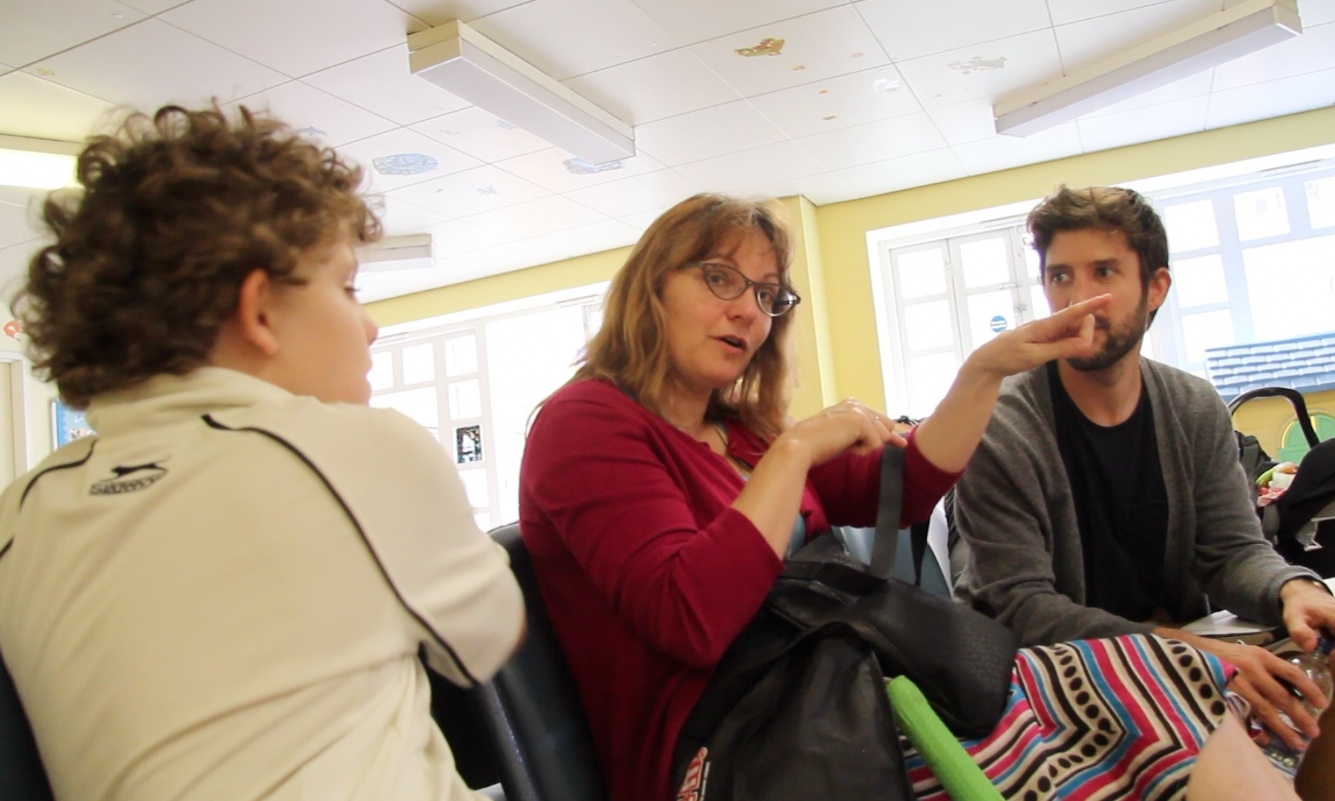
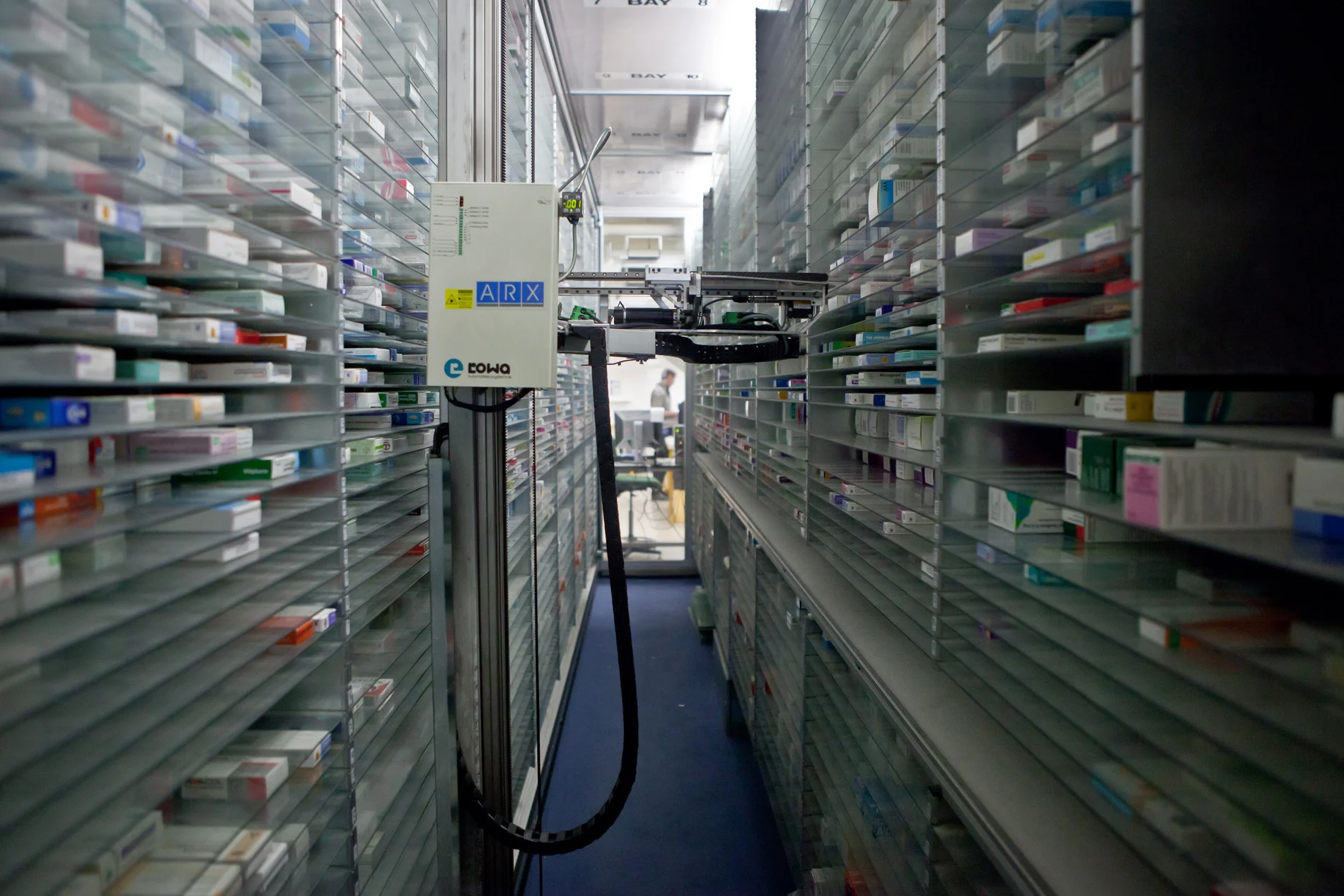
I led work on gathering insights through interviews; shadowing patients’ journeys during their visit; observing the flow and usage of the space. We also followed staff through the back stage dispensing process. We identified both patient and staff needs, resources and limitations of the project. Patients wanted clearer communication of waiting times; more privacy when speaking to pharmacists; a better understanding of the dispensing process.
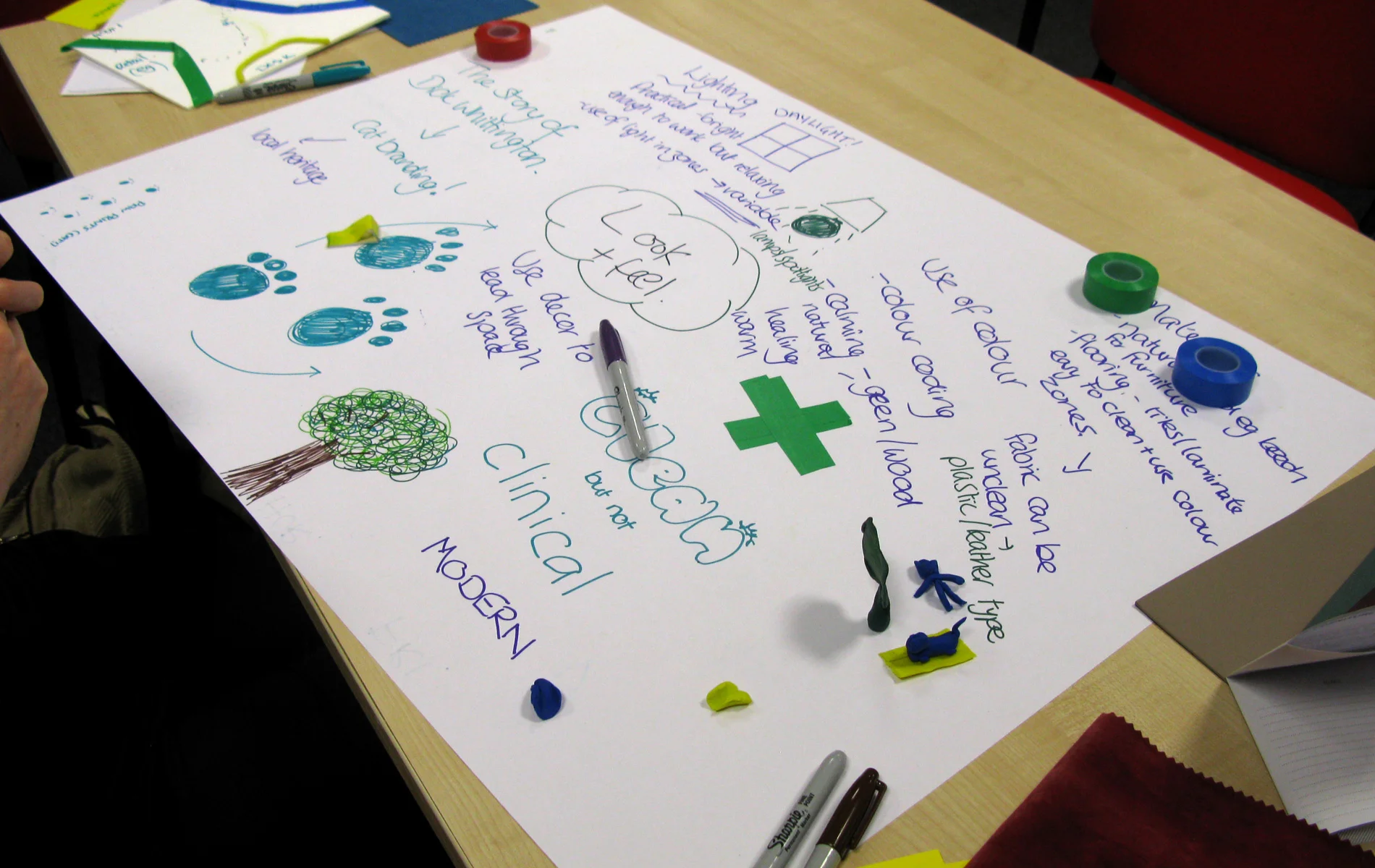
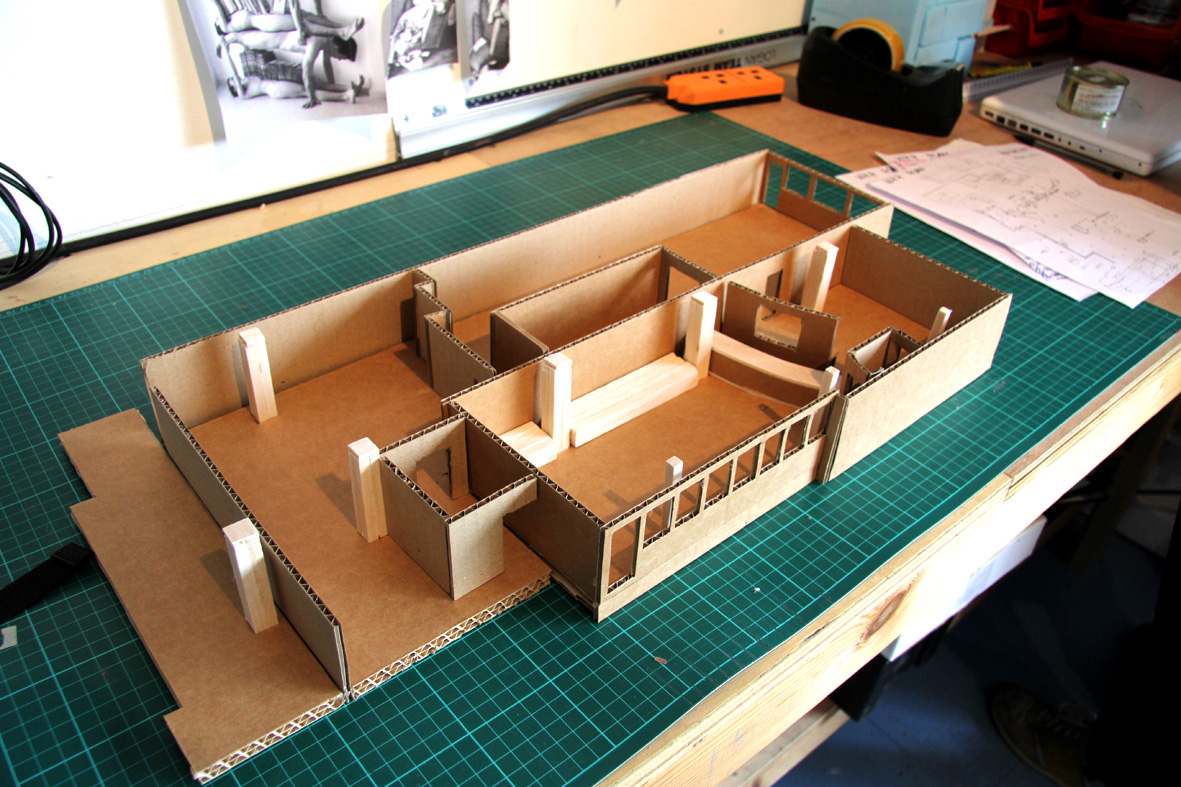
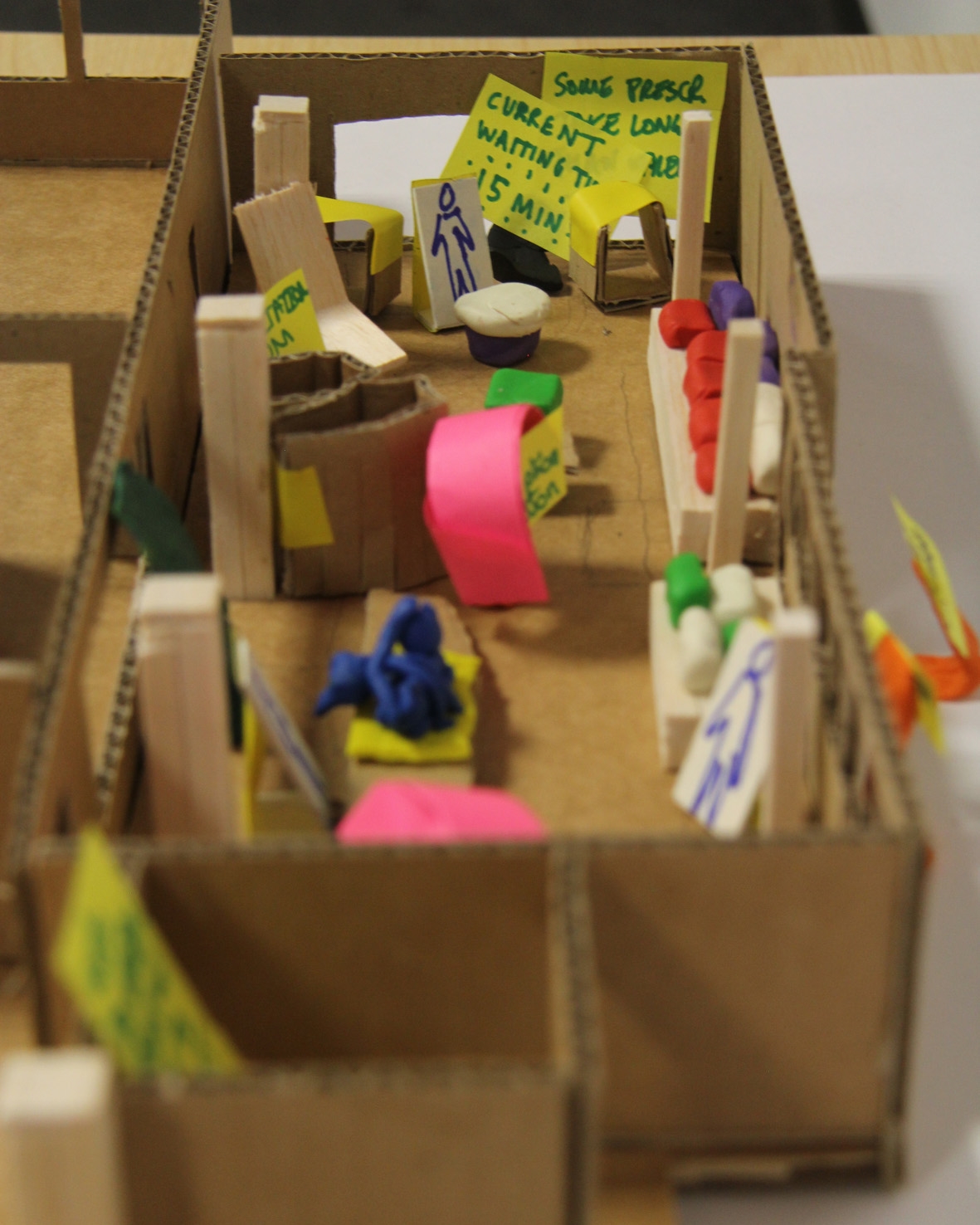
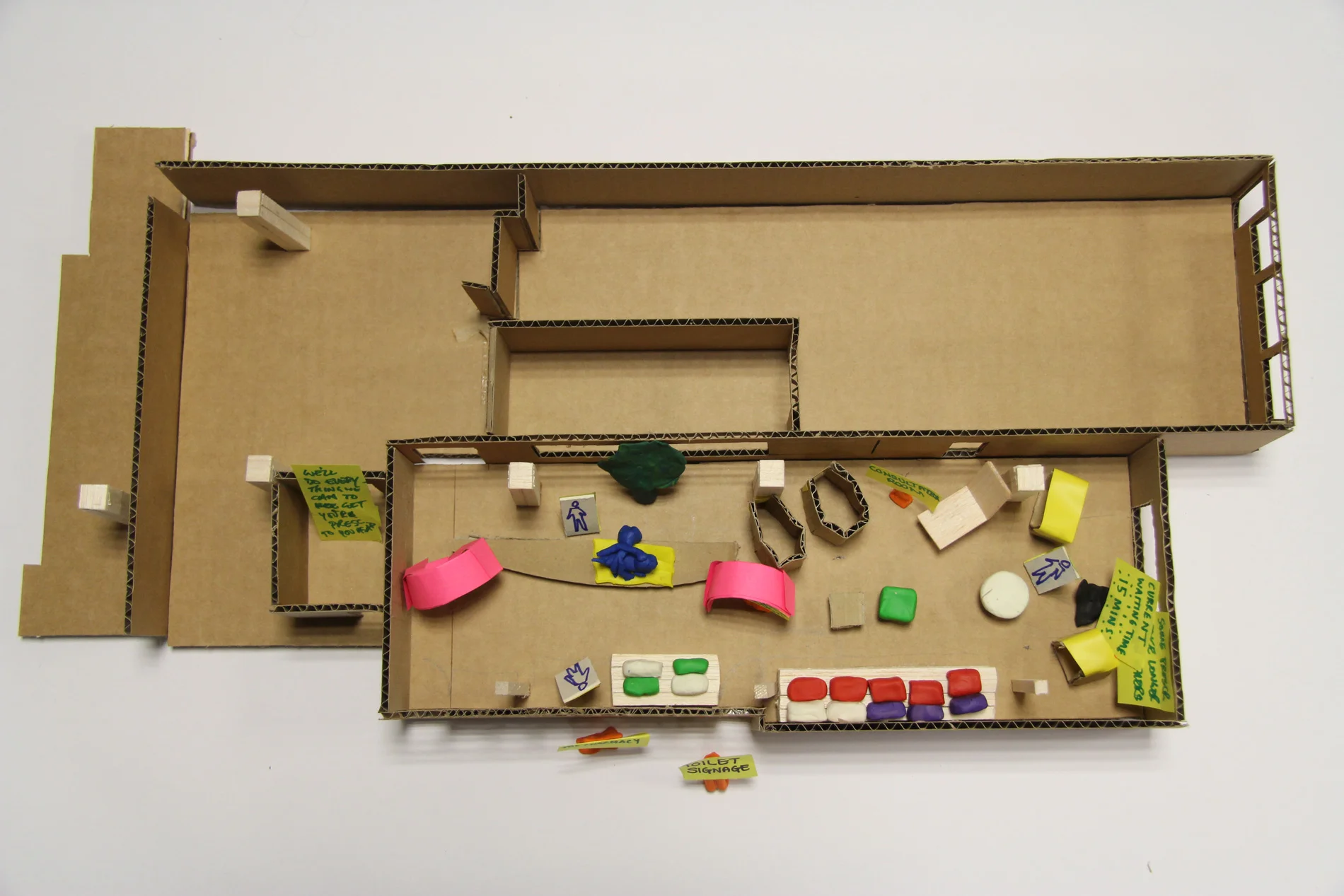
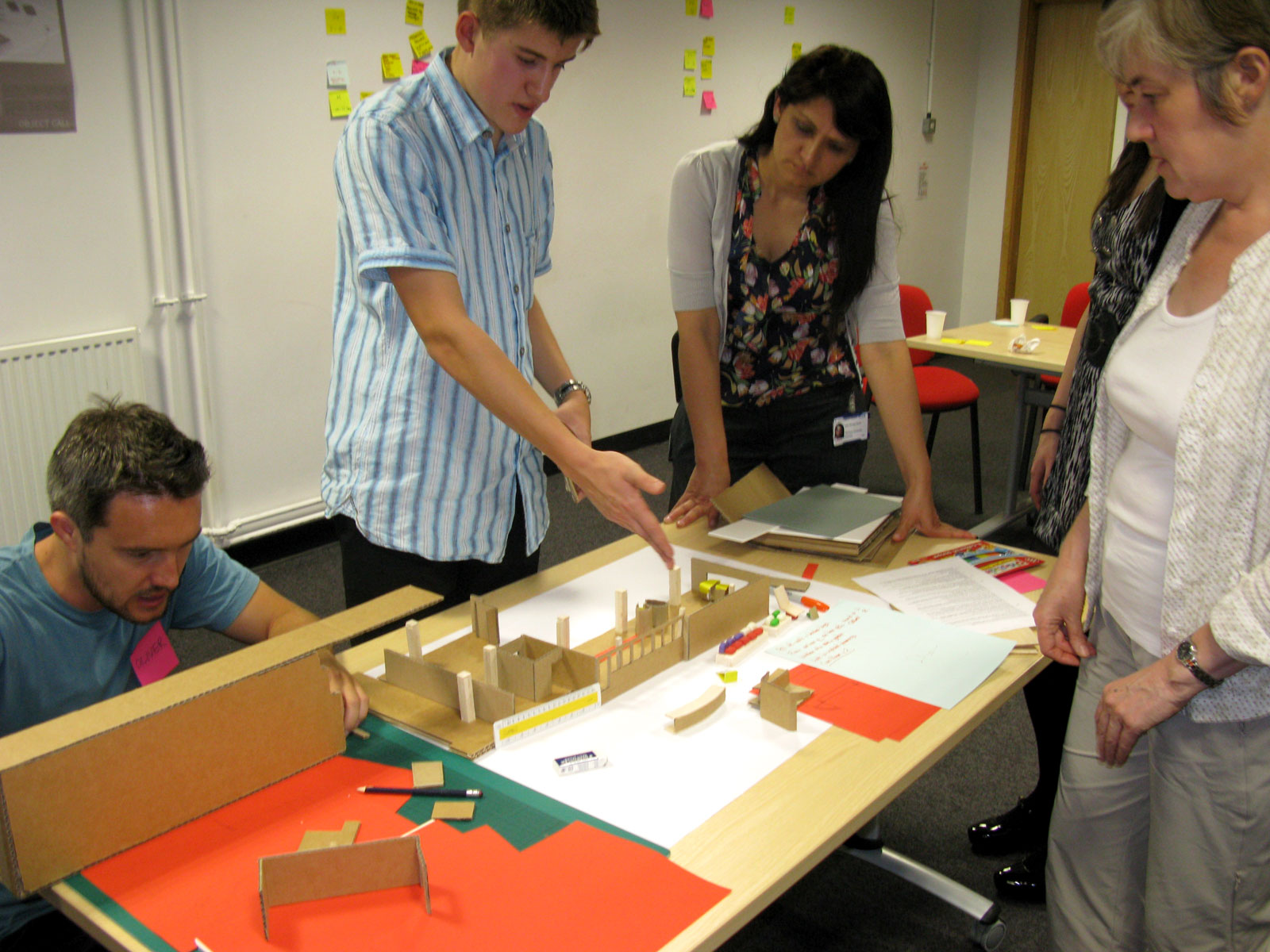
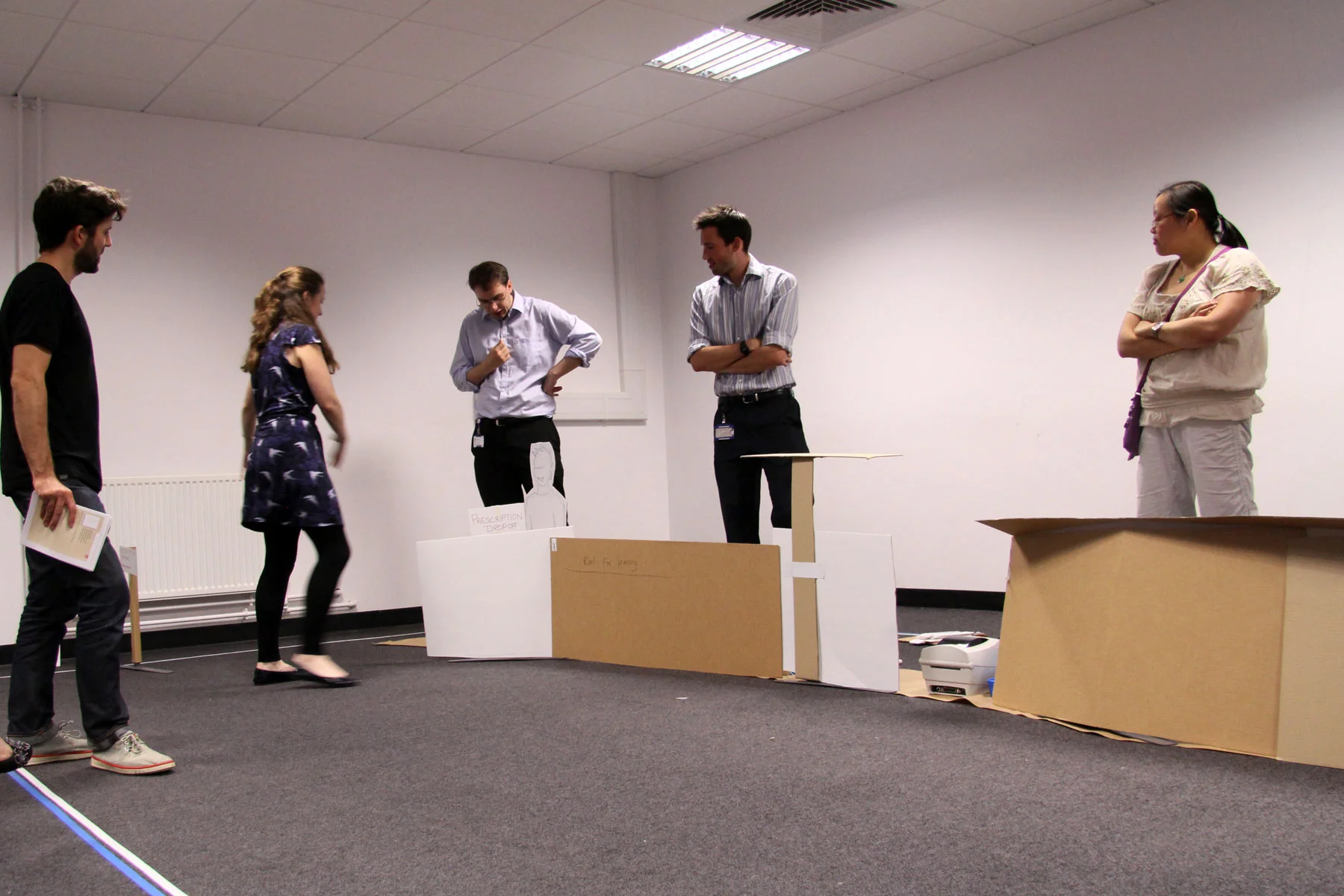
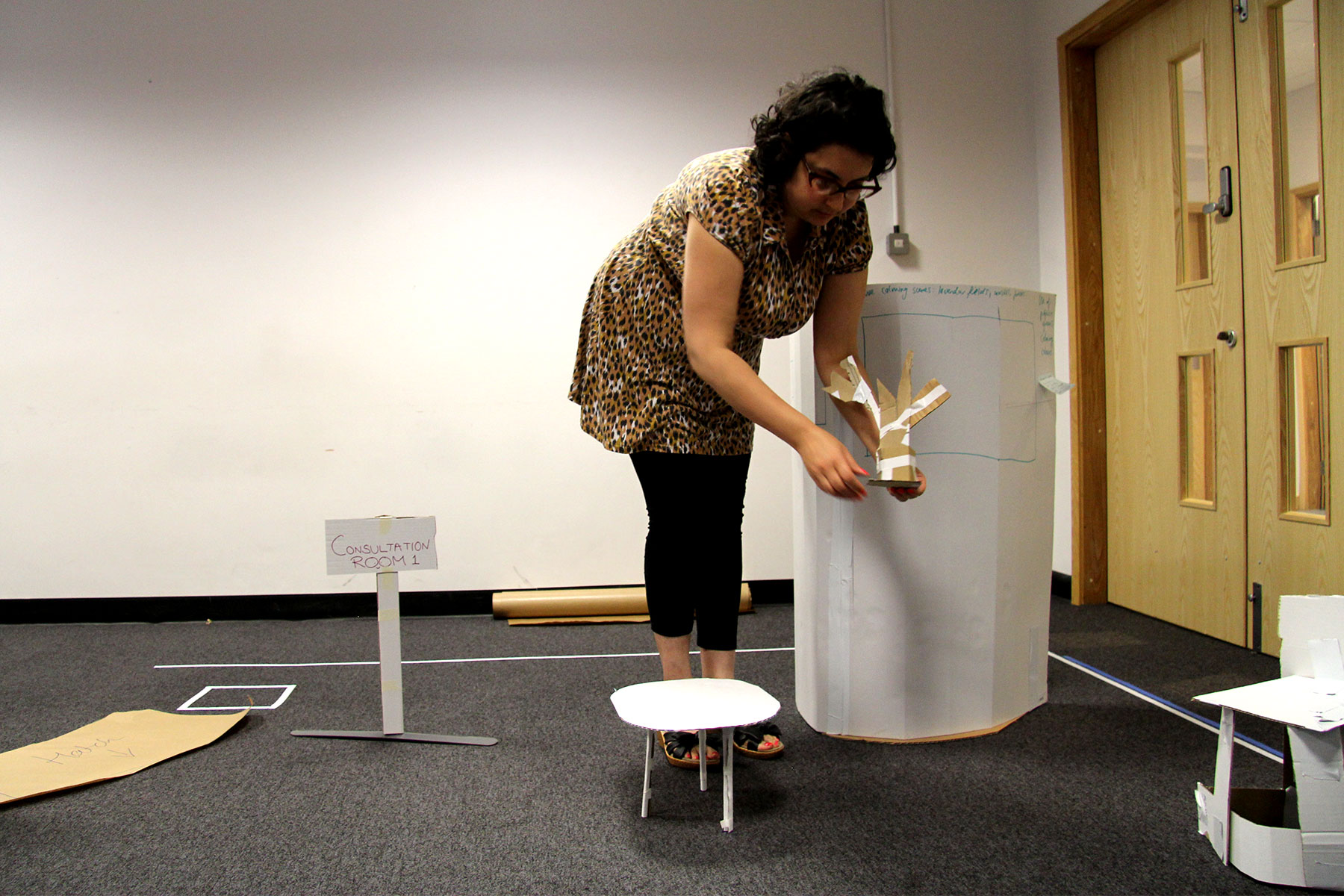
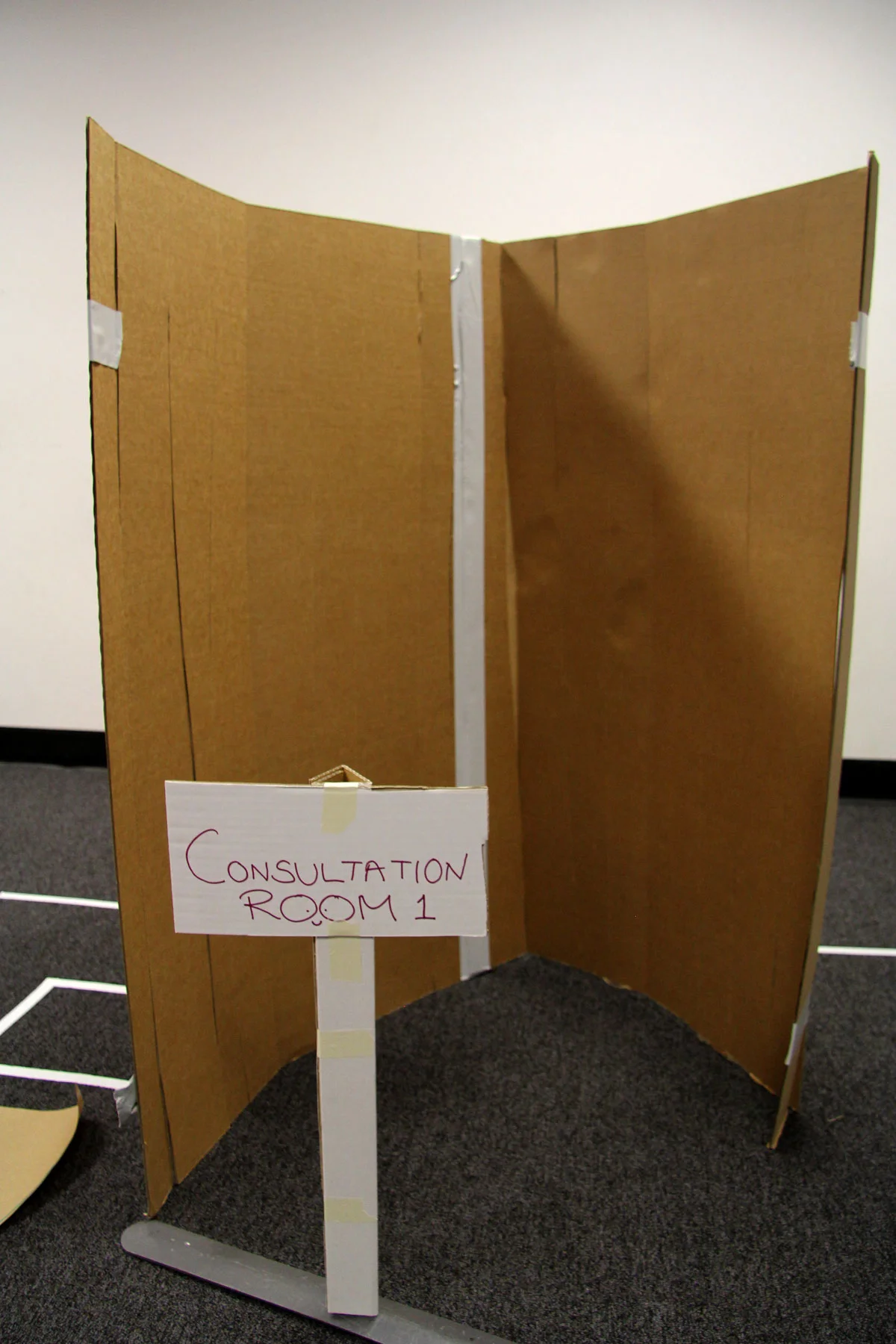
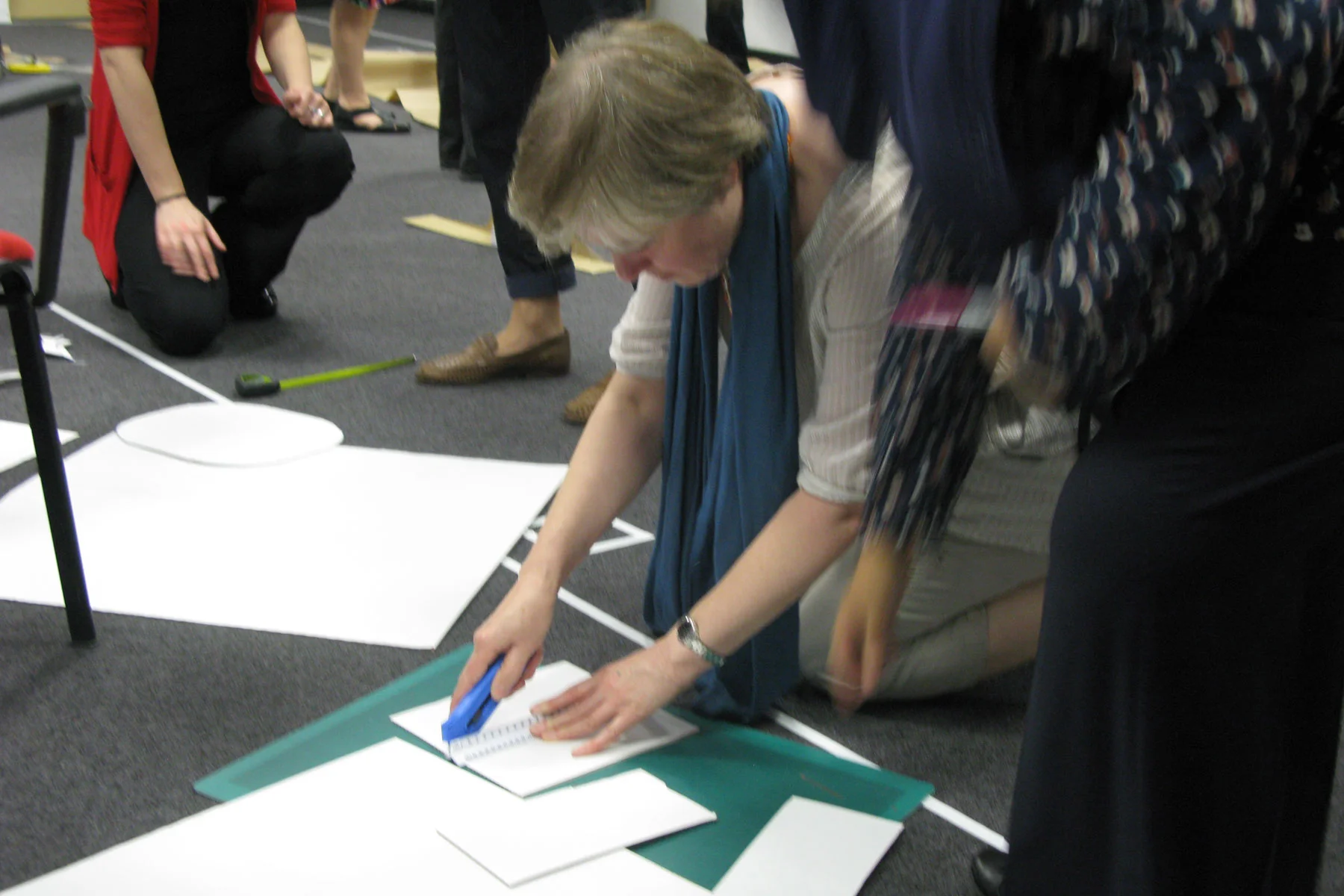
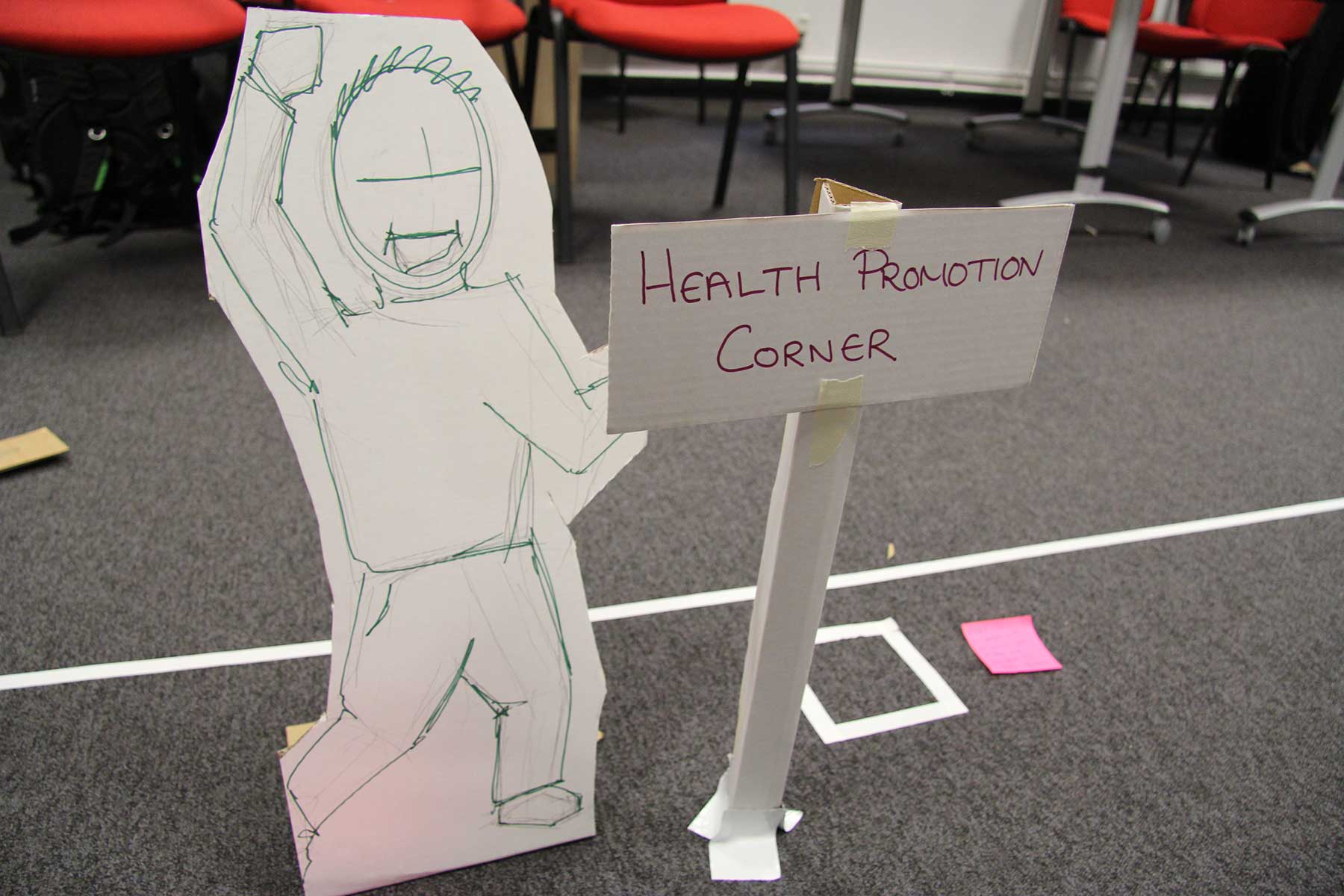
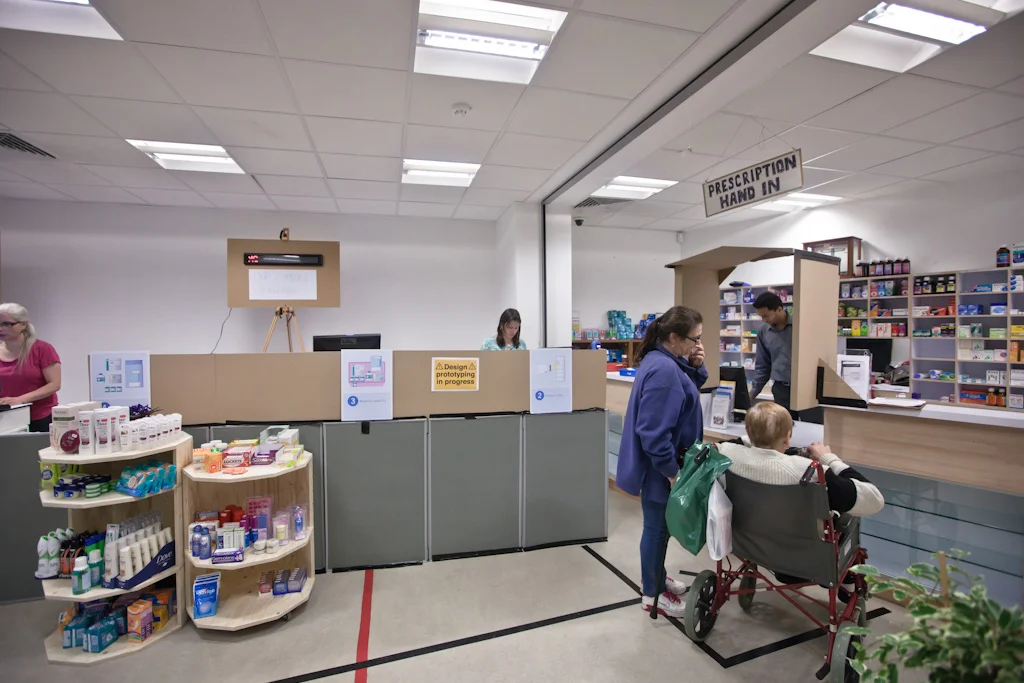
Together with Studio TILT we delivered a programme of co-design workshops that engaged both staff and patients. The workshops allowed the team to develop ideas on scale, then half size and full size models. New customer experiences were acted out to stress test the layout and staff roles before prototyping them within the live environment of the pharmacy.
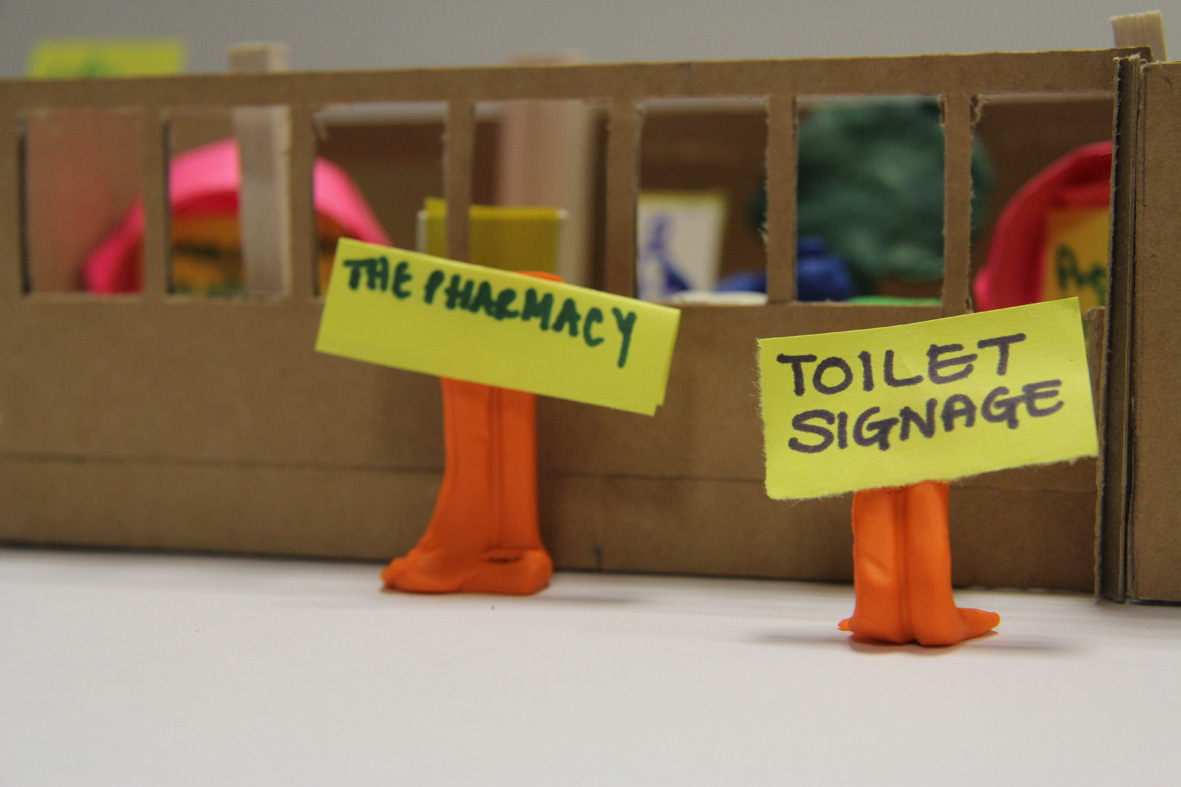
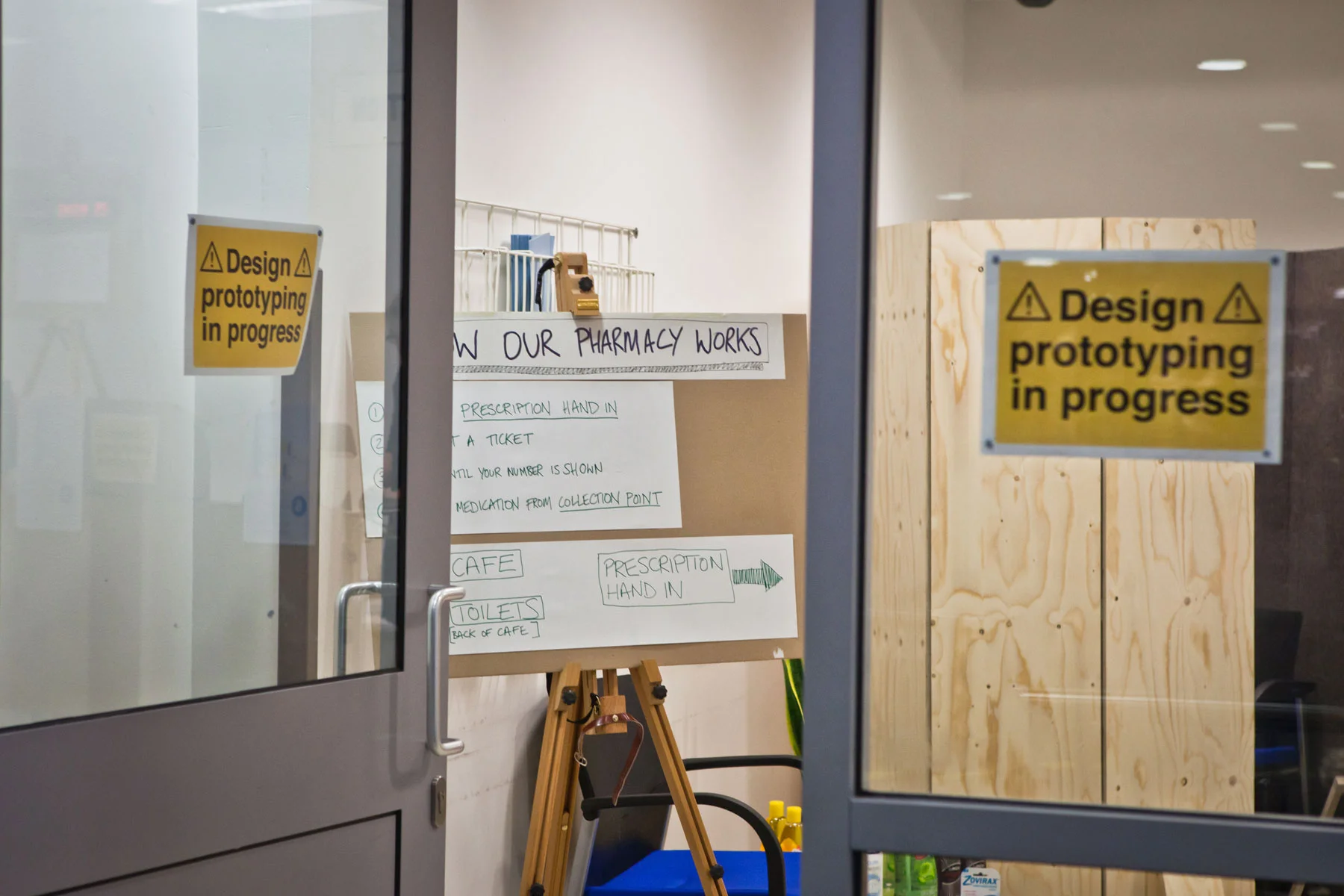
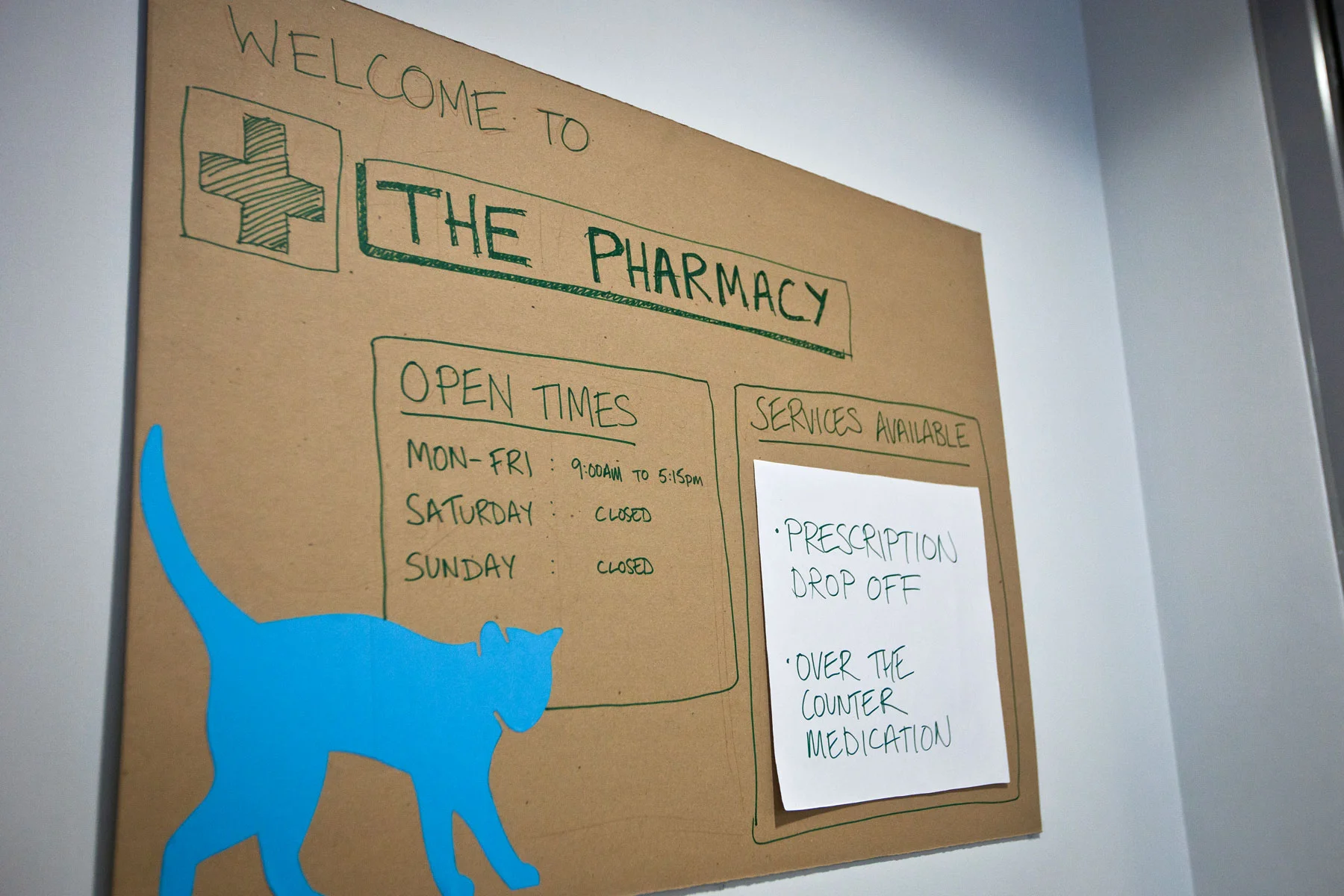
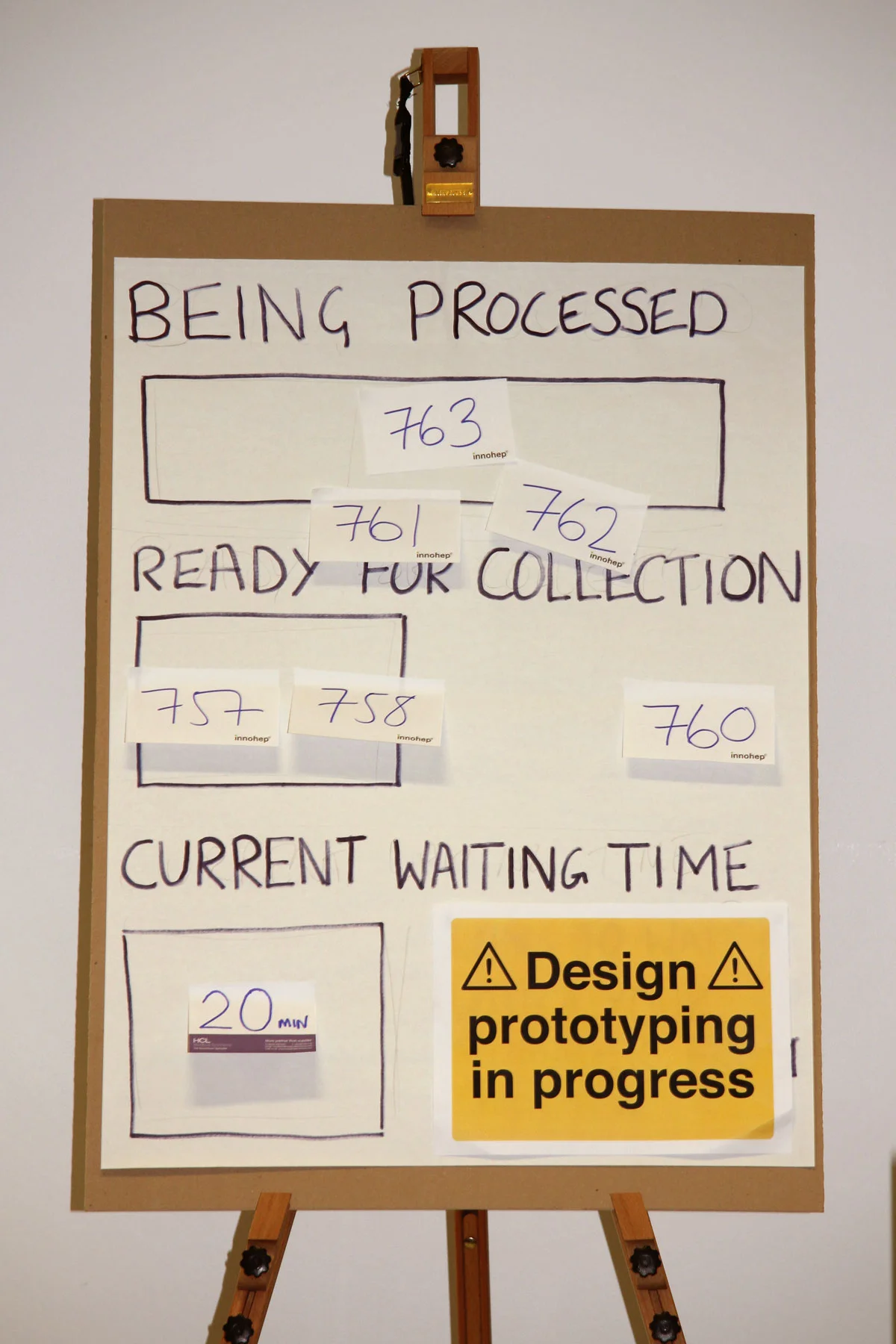
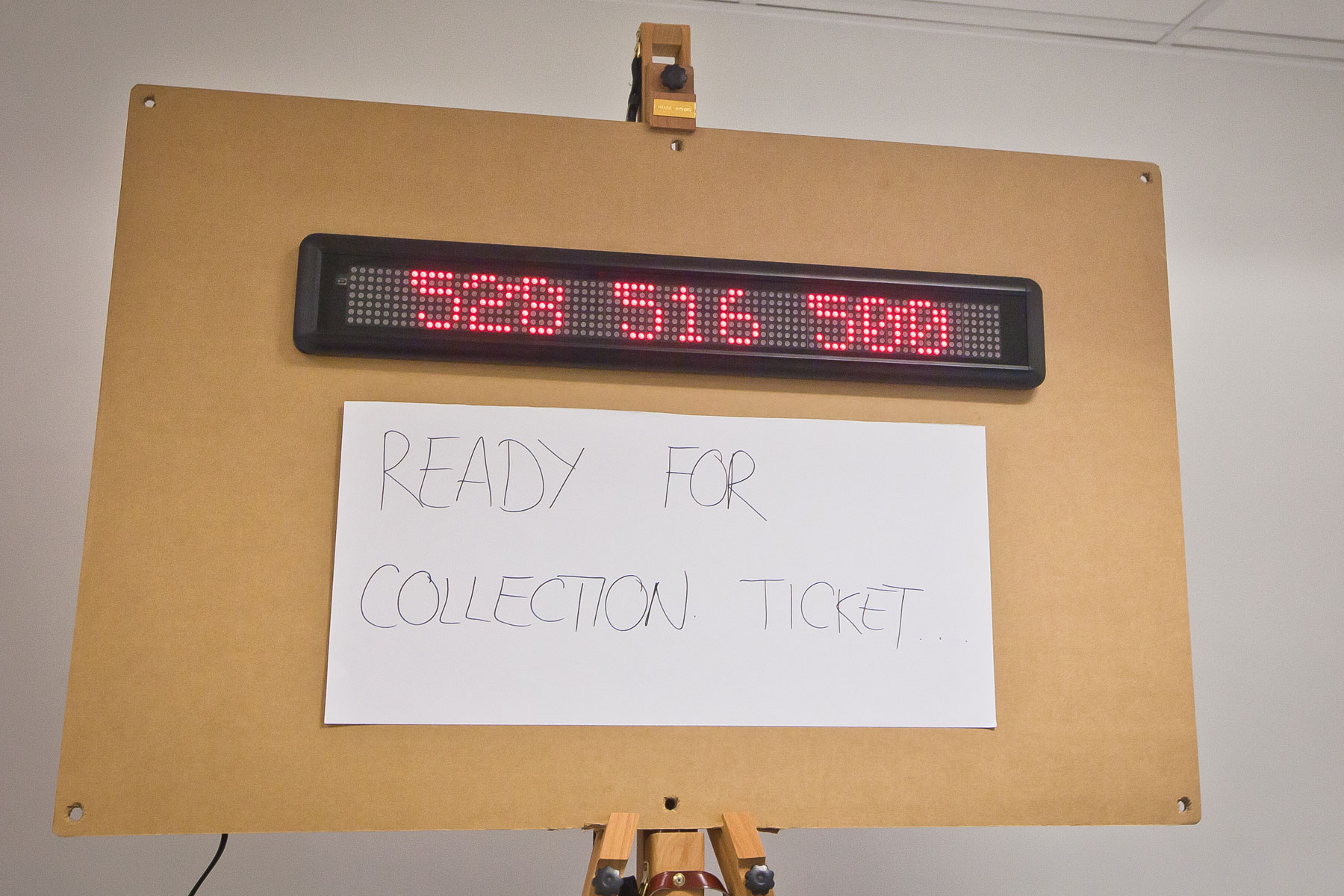
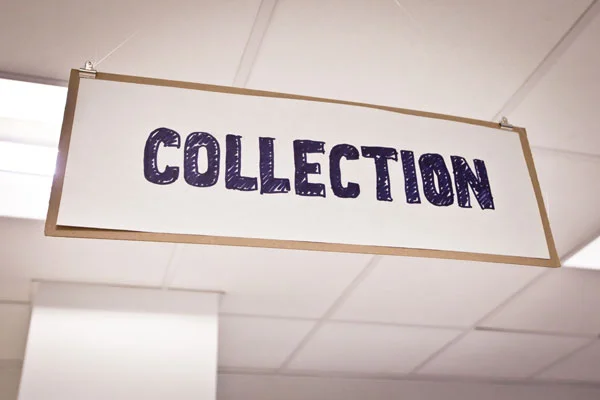
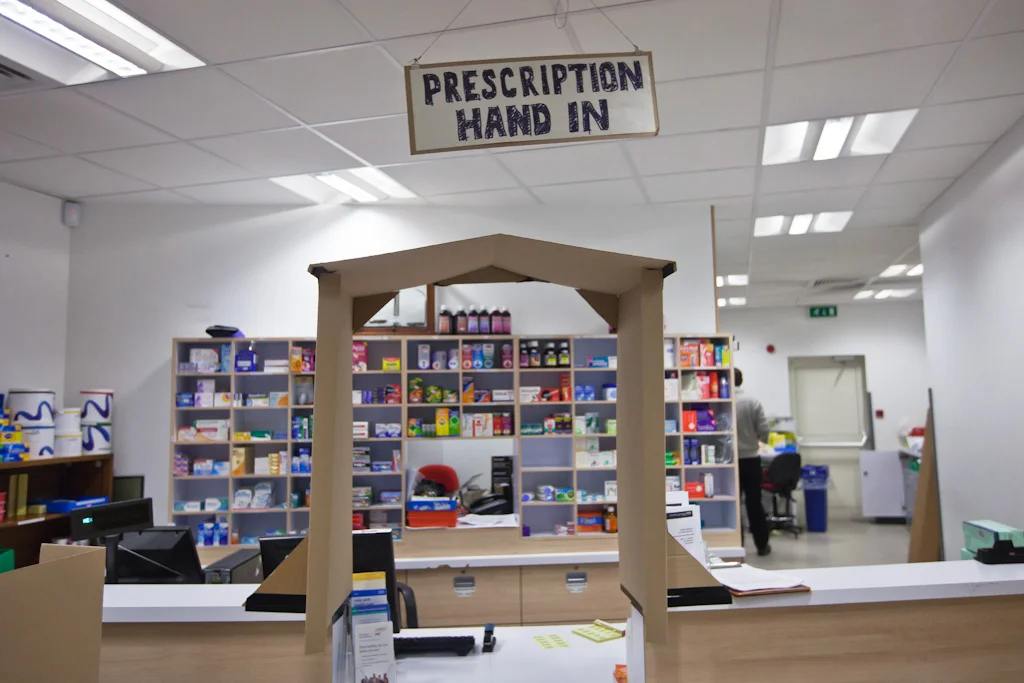
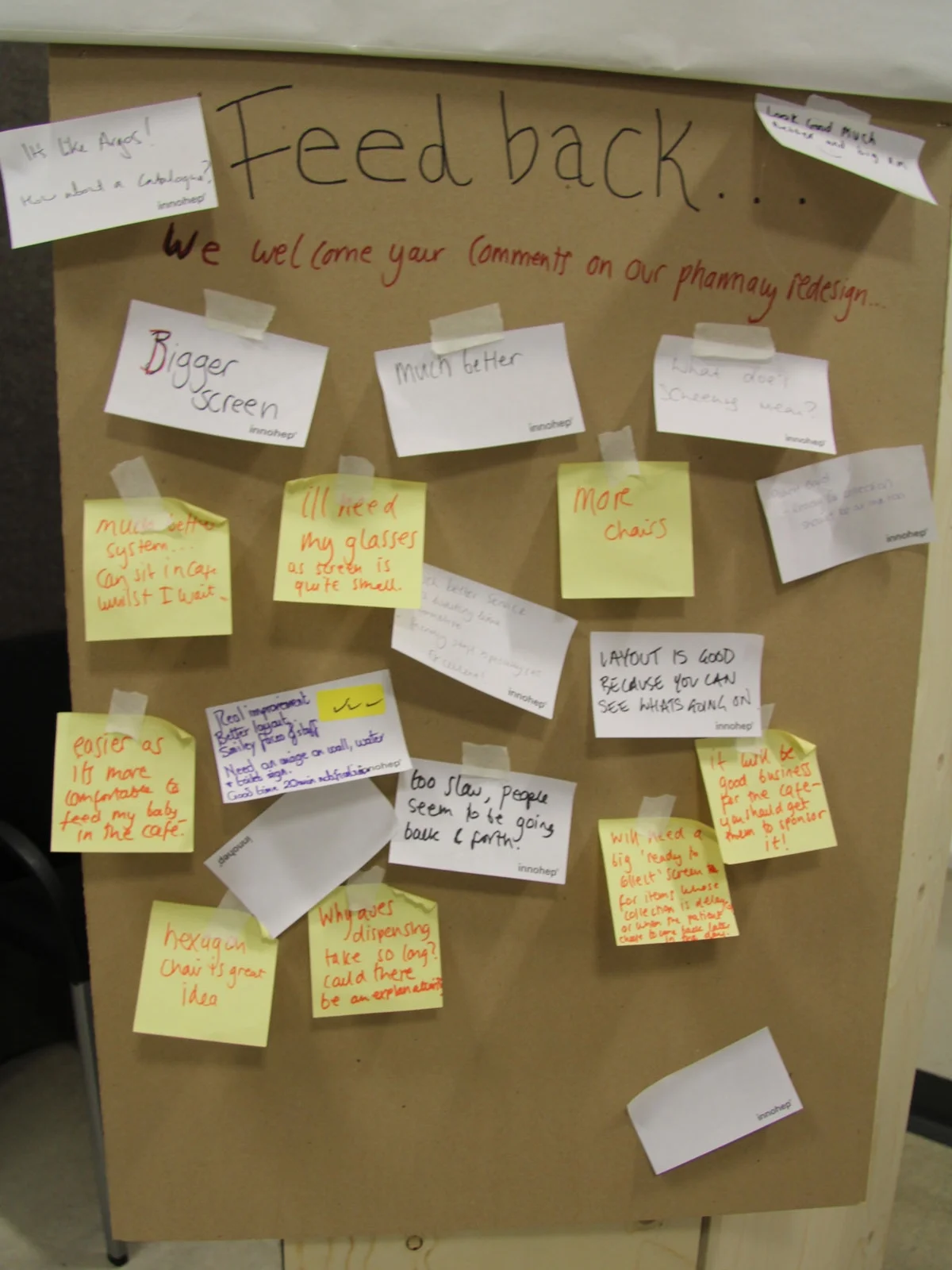
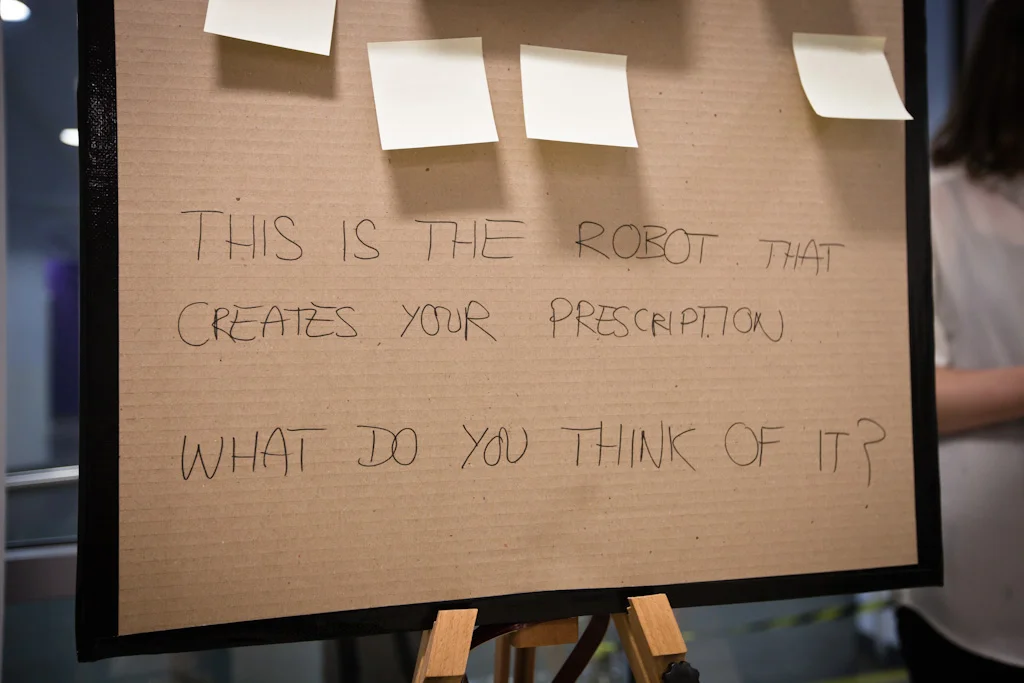
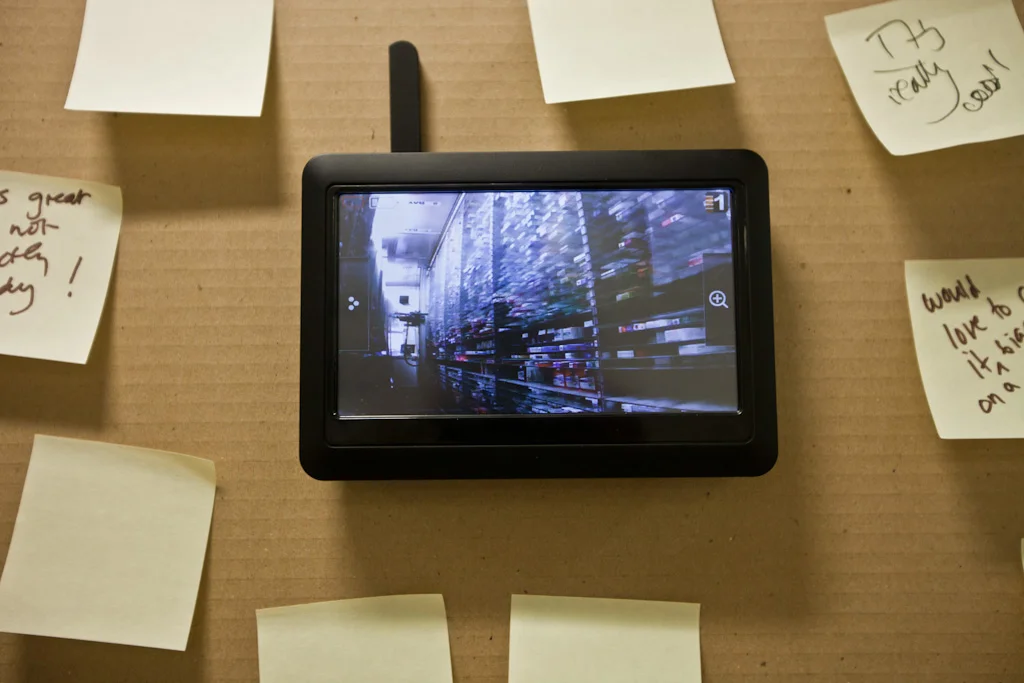
We tested the features needed for a prescription tracking display. We prototyped countertop privacy booths, new signage, patient flows, and front of house dispensing stations with clear explanations of the dispensing processes. We tested a new customer service delivery model inspired by Starbucks, where a spare back office member of staff would be on hand to ease bottleneck during prescription hand.
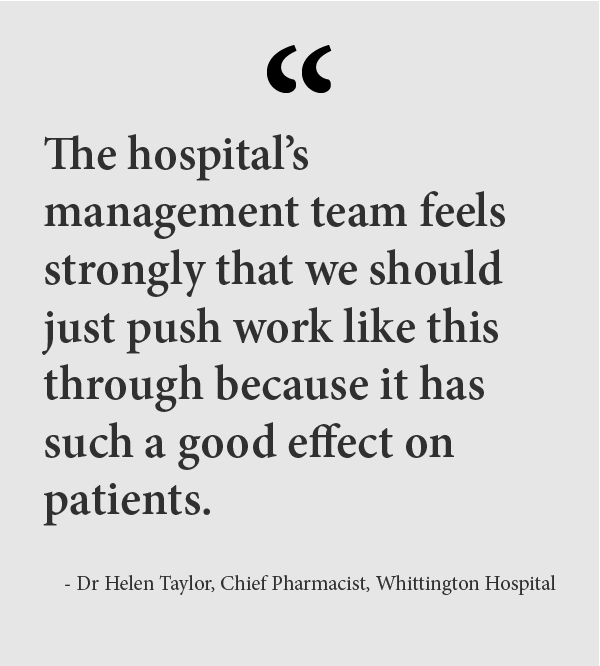
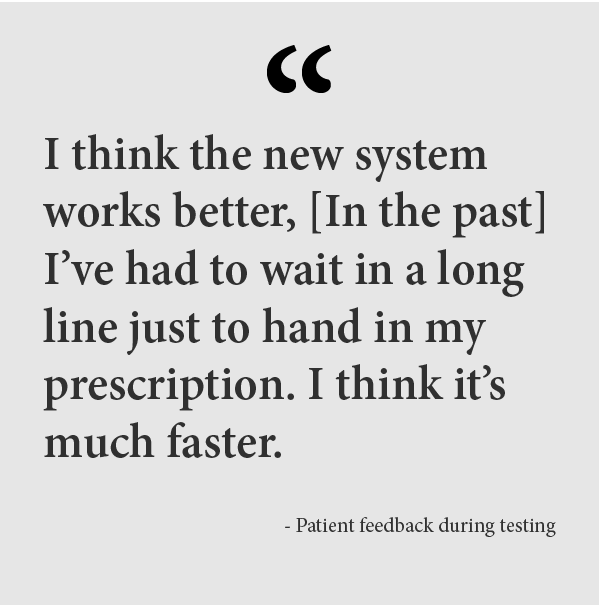
The pharmacy team was able to turn their ideas into something tangible to make decisions on. A co-designed approach to ‘rapid-prototyping’ meant it was a low cost, low risk way of exploring their future options, which increased staff involvement and moral. For example, they were able to test prescription tracking systems before any large outlays were required. Far from causing concern among patients using the pharmacy at the time, patients were very pleased to see new ideas being tested and their feedback collected.
The project involved 24 patients and 14 staff members. It provided staff with key insights and refined solutions for how the pharmacy space is used, which have had a demonstrable impact. The result is queues of patients at the registration area have been shortened, prescription tracking has been introduced and new areas for confidential consultation have been created.
Feedback from patients suggested that the changes would lead to less aggression towards staff; lower prescription waiting times; increased customer satisfaction and increased retail sales at the pharmacy. The project also provided staff with a design framework for future expenditure on the space and layout.
LINKS / FEATURES
Design Council Case Study
Design for Europe Cast Study